
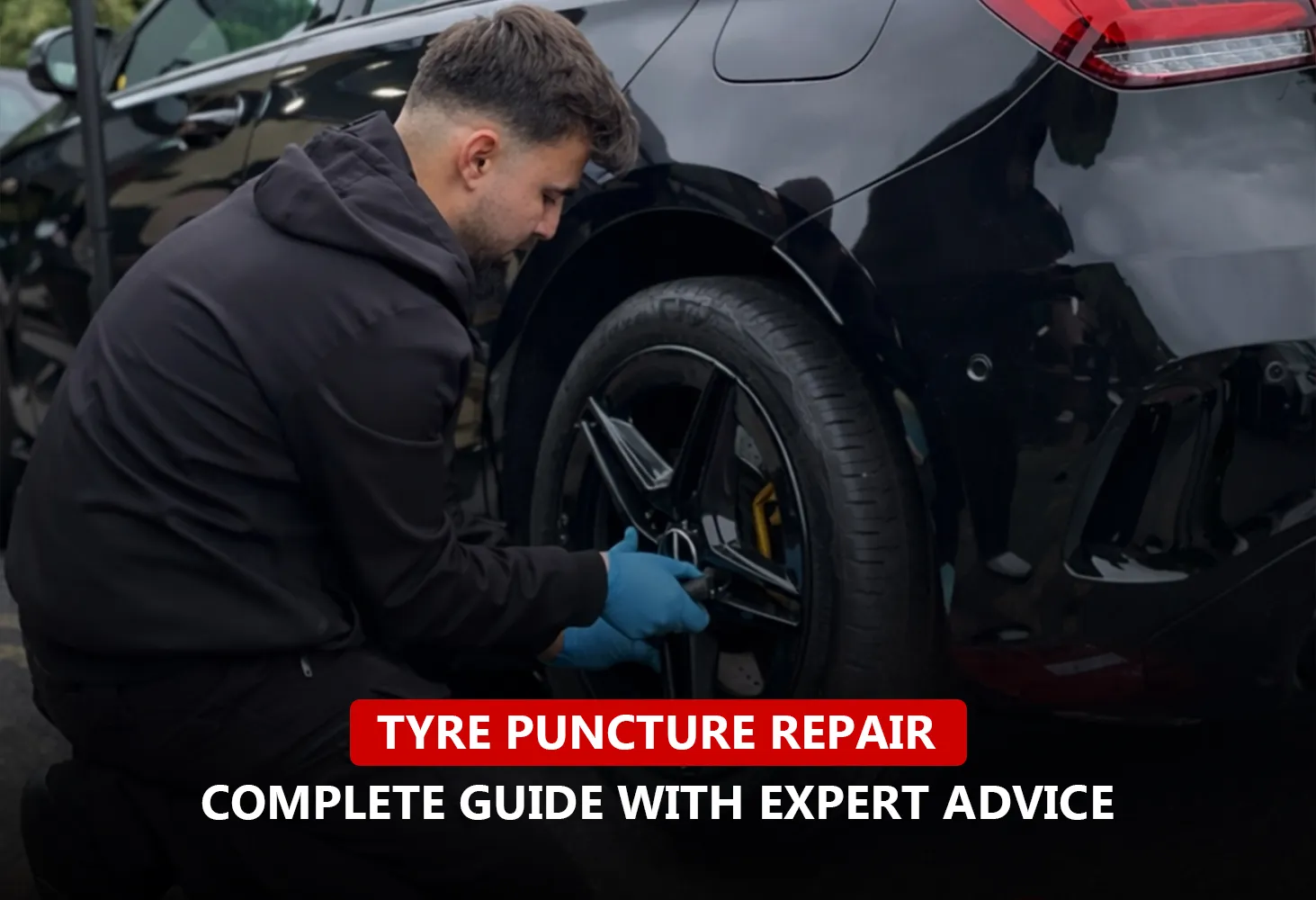
A flat tyre never comes at a good time. You might be heading to work, picking up your kids, or driving on the highway when suddenly the steering feels heavy. In most cases, the problem is simple: a puncture. However, ignoring it can turn into a serious safety issue.
That is why understanding proper tyre puncture repair is essential for every driver. In this detailed guide, you will learn what causes punctures, how repairs are done, which method is safest, and when tyre replacement is necessary. Everything is explained in simple words so anyone can understand.
What Is Tyre Puncture Repair?
Puncture tyre repair is the process of fixing a damaged tyre that has lost air because of a nail, screw, sharp object, or minor cut. Instead of replacing the tyre immediately, a professional seals the hole and restores the air pressure safely.
However, not every puncture can be repaired. The size of the hole, its location, and the internal condition of the tyre decide whether a repair is safe.
Why Tyre Punctures Happen
Most punctures happen due to common road hazards. These include:
- Nails or screws on the road
- Broken glass
- Sharp stones
- Construction debris
- Worn-out tread
- Underinflated tyres
For example, one customer drove daily through a busy industrial area. He experienced repeated tyre issues because small metal pieces were scattered on the road. After changing his route and checking tyre pressure regularly, the problem stopped.
This shows how road awareness and tyre maintenance reduce the need for frequent tyre puncture repair.
Types of Tyre Puncture Repair Methods
Different repair techniques are used depending on the damage. Professionals usually follow industry safety standards.
Plug Repair
A rubber plug is inserted from the outside into the puncture hole. It seals the air leak quickly.
Best for:
- Small punctures in the tread area
Limitations:
- Not recommended for sidewall damage
- Considered temporary if not done properly
Patch Repair
In this method, the tyre is removed from the rim. A rubber patch is applied from the inside to seal the damaged area.
Best for:
- Medium-sized punctures
- Long-term sealing
This method provides stronger internal support compared to simple plugging.
Plug-Patch Combination
This is the most reliable and recommended professional method. It combines a plug inserted through the hole and a patch applied inside.
Experts consider this the safest option for durable tyre puncture repair because it seals both the inner and outer sections.
When Can a Tyre Be Repaired?
A tyre can usually be repaired if:
- The puncture is in the tread area
- The hole is smaller than 6mm
- The sidewall is undamaged
- The tyre was not driven flat for long
- Internal steel cords are intact
If these conditions are met, a proper puncture tyre repair can restore full performance.
When Replacement Is Necessary
Sometimes repair is not safe. Replacement is required if:
- The puncture is on the sidewall
- The hole is too large
- Multiple punctures are close together
- The tyre has internal structural damage
- The tyre was driven while completely flat
In such cases, safety must always come first.
Step-by-Step Tyre Puncture Repair Process
Here is how professionals perform a safe repair:
Step 1: Inspection
The tyre is carefully checked from outside and inside.
Step 2: Damage Assessment
The technician confirms whether repair is possible.
Step 3: Cleaning the Area
The puncture area is cleaned to ensure proper bonding.
Step 4: Applying Patch or Plug
A suitable repair method is selected.
Step 5: Reinstallation and Inflation
The tyre is reinstalled and inflated to recommended PSI.
Step 6: Leak Testing
Air pressure is tested to confirm the repair is sealed.
Following this process ensures the puncture tyre repair meets safety standards.
Benefits of Professional Tyre Puncture Repair
Choosing professional service instead of temporary DIY fixes provides several benefits:
- Restores proper air pressure
- Maintains tyre balance
- Prevents uneven wear
- Extends tyre lifespan
- Reduces replacement cost
Temporary sealants may help in emergencies, but they are not long-term solutions.
Safety Risks of Ignoring a Puncture
Driving with a damaged tyre increases the risk of:
- Sudden blowouts
- Loss of steering control
- Increased braking distance
- Poor fuel efficiency
- Suspension damage
Even a slow air leak increases rolling resistance, which means your engine works harder and consumes more fuel.
That is why immediate tyre puncture repair is always recommended.
Preventing Future Punctures
While not all punctures can be avoided, you can reduce risk by:
- Checking tyre pressure monthly
- Avoiding visible road debris
- Inspecting tyres regularly
- Replacing worn-out tyres on time
- Maintaining correct wheel alignment
Proper maintenance reduces emergency breakdowns.
How GripGo Tyre Supports Safe Driving
When it comes to tyre safety, service quality matters. GripGo Tyre focuses on professional inspection, safe repair methods, and long-term tyre performance.
GripGo Tyre technicians use approved tyre repair techniques and proper tools to ensure every repair meets safety standards. Instead of quick temporary fixes, they prioritize durability and driver protection.
By educating drivers and providing reliable services, GripGo Tyre builds trust and authority in tyre care solutions.
Final Thoughts
A puncture may look small, but ignoring it can lead to serious risks and higher costs. Understanding how tyre puncture repair works helps you take quick and smart action when needed.
With professional repair, regular maintenance, and expert support from GripGo Tyre, you can extend tyre life, improve fuel efficiency, and drive with confidence.
Smart drivers do not wait for bigger damage. They act early, choose safe puncture tyre repair, and keep their journeys smooth and secure.