
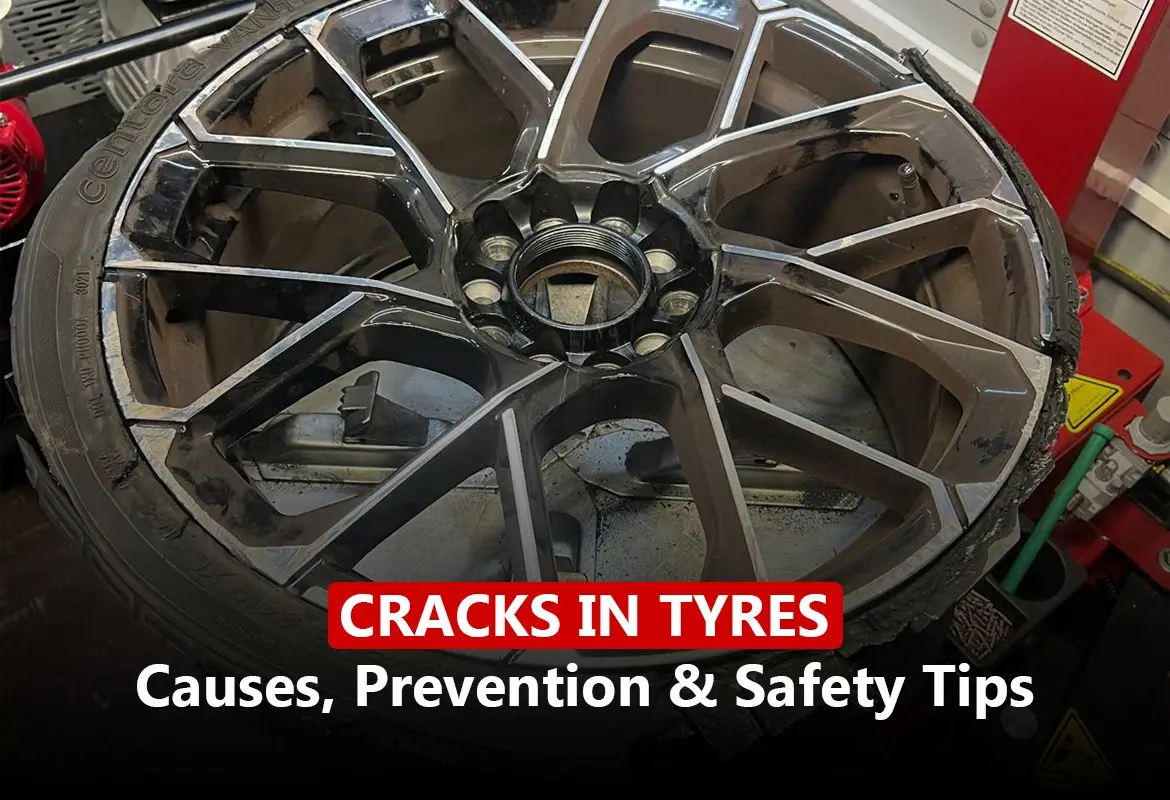
Tyres are the only part of your vehicle that actually touch the road. Yet, most drivers ignore them until something goes wrong. One of the most common but overlooked problems is cracks in tyres.
At first, they may look small and harmless. However, over time, those tiny lines can turn into serious safety risks.
In this detailed guide, we’ll explain:
- What causes the tyre cracks
- How dangerous they really are
- Step-by-step prevention tips
- When to repair and when to replace
- How choosing the right tyre brand like GripGo tyre can save you from future problems
Let’s dive in.
What Are Cracks in Tyres?
Tyres cracks are small splits or lines that appear on the sidewalls or tread surface. They are also called:
- Sidewall cracking
- Tyre dry rot
- Weather cracking
- Rubber deterioration
These cracks usually form due to ageing, weather exposure, or poor maintenance.
Imagine this:
A car owner parked his vehicle outside his house for months without driving it much. The tyres looked fine from a distance. But when inspected closely, thin cracks were visible near the rim. Within weeks, one tyre burst on the highway.
That’s how silent but dangerous tyres crack can be.
Main Causes of Cracks in Tyres
Understanding the cause is the first step toward prevention.
1. Ageing of Rubber
Tyres are made of rubber compounds that naturally break down over time. Even if you don’t drive much, rubber loses flexibility.
After 4–6 years, tyres start showing signs of ageing. That’s when tyres cracks become more common.
2. Sunlight & UV Exposure
Constant exposure to sunlight damages tyre rubber. UV rays dry out the material and make it brittle.
If your vehicle is always parked in open areas, chances are higher for tyres crack.
3. Underinflation
Driving with low tyre pressure causes excessive flexing of the sidewalls. Over time, this stress weakens the structure and leads to surface cracks.
Low pressure also increases heat buildup and heat is rubber’s biggest enemy.
4. Overloading
Carrying more weight than recommended puts extra stress on tyres. This stress creates micro-fractures which later develop into visible cracks.
5. Poor Quality Tyres
Cheap tyres may save money initially. However, they often lack high-quality rubber compounds and anti-oxidation protection.
As a result tyre cracks appear much sooner compared to premium tyres like those from GripGo tyre, which are designed for durability and road safety.
6. Long Periods of Inactivity
Surprisingly, not driving your car can also damage tyres.
When a car sits in one position for too long:
- Rubber dries out
- Pressure points weaken
- Air pressure changes
Eventually, sidewall cracks develop.
Are Cracks in Tyres Dangerous?
Yes, absolutely.
Small cracks may look harmless. But they weaken the tyre structure.
Here’s what can happen:
- Sudden tyre burst
- Blowouts at high speed
- Reduced grip on wet roads
- Poor braking performance
- Uneven tread wear
A cracked tyre cannot handle road pressure the same way as a healthy tyre.
Think of it like a cracked plastic bottle. It may still hold water but not safely.
How to Check for Cracks in Tyres (Step-by-Step Guide)
You don’t need to be a mechanic. Just follow these simple steps:
Step 1: Clean the Tyres
Wash off dust and mud. Cracks are easier to see on clean rubber.
Step 2: Inspect the Sidewalls
Look closely near:
- Rim area
- Outer sidewall
- Between tread blocks
Step 3: Check Tread Surface
Run your fingers gently across the surface. Feel for uneven lines.
Step 4: Use a Torch
Sometimes cracks are hard to see. Use mobile flashlight to inspect deeper lines.
Step 5: Check Tyre Age
Look for DOT code on the tyre sidewall. It shows manufacturing date.
If tyres are older than 5–6 years and showing tyres cracks, replacement is strongly recommended.
When Should You Replace a Cracked Tyre?
Not all cracks require immediate replacement. However, you must replace tyres if:
- Cracks are deep and visible
- You can see fabric or internal layers
- There is air leakage
- The tyre feels brittle or hard
- The vehicle vibrates at high speed
If you're unsure, consult a trusted tyre expert like GripGo Tyre professionals for inspection and guidance.
How to Prevent Tyres Crack
Prevention is always cheaper than replacement.
Here’s what you should do:
1. Maintain Correct Tyre Pressure
Check tyre pressure every 2 weeks. Proper inflation reduces stress and prevents tyres crack.
2. Park in Shade
Avoid direct sunlight exposure. Use:
- Covered parking
- Tyre covers
- Garage space
3. Drive Regularly
Don’t leave your car parked for months. Even short drives help maintain tyre flexibility
4. Avoid Overloading
Always follow manufacturer’s load recommendations.
5. Apply Tyre Protectant (Non-Petroleum Based)
Use water-based tyre dressings. They protect rubber from UV damage.
6. Choose Quality Tyres
Investing in high-quality tyres makes a huge difference.
Brands like GripGo Tyre use advanced rubber compounds that resist oxidation, weather cracking, and premature ageing.
Better rubber = fewer tyres crack.
How Weather Affects Tyre Cracking
Hot Climate
In hot regions, tyres are more exposed to:
- UV rays
- Road heat
- Oxidation
Heat accelerates rubber breakdown.
Cold Climate
Cold weather makes rubber stiff. When you drive, stiff rubber cracks under pressure.
So whether it’s hot or cold, tyre care is essential.
Real-Life Story: A Lesson Learned
A delivery driver once ignored small tyres cracking because “they looked minor.”
One rainy evening, while driving at 80 km/h, his rear tyre burst. Luckily, he managed to stop safely but the damage could have been worse.
After that incident, he switched to high-quality tyres from GripGo tyre and started regular inspections.
His words were simple:
“Tyres are cheaper than accidents.”
Why Choose GripGo Tyre for Long-Lasting Tyres?
When it comes to tyre safety, quality matters.
GripGo Tyre focuses on:
- Advanced rubber technology
- Heat-resistant compounds
- Strong sidewall construction
- Long tread life
- Improved road grip
Because of superior material quality, tyres from GripGo Tyre are less likely to develop early cracks in tyres.
Moreover, choosing a trusted brand gives you:
✔ Peace of mind
✔ Better fuel efficiency
✔ Improved safety
✔ Long-term savings
Invest once, drive safely for years.
FAQs
Final Thoughts
Ignoring cracks in tyres may seem harmless today. But tomorrow, it can cost you heavily.
Regular inspection, proper maintenance, and investing in quality tyres make all the difference.
Remember:
Your tyres carry your family, your business, and your safety.
So don’t wait for a blowout to take action.
If you notice early signs of tyres cracks, consult a professional and consider upgrading to durable, safety-tested tyres from GripGo Tyre.
Because safe driving starts where the rubber meets the road.